Where to Live in Nashville: 9 Things to Consider Before Choosing a Neighborhood
There’s no one-size-fits-all answer to where to live in Nashville. The right area for you will depend on your budget, lifestyle, commute, and the things you want close to home. Once you know your priorities, it becomes easier to compare Nashville neighborhoods and narrow down your options.
Nashville offers plenty of variety from one neighborhood to the next. Some areas put you closer to restaurants, music venues, and local businesses, while others offer more space, quieter streets, or easier access to parks and green space. Whether you're relocating for work, putting down roots near family, or simply looking for a fresh start, deciding where to live in Nashville is a big decision.
In this guide, we break down 10 important factors to consider when evaluating a neighborhood so you can move forward with confidence. From settling into a home in East Nashville to finding the perfect home in Oak Hill, the right fit will depend on what matters most to you. .
1. Access to green space and parks
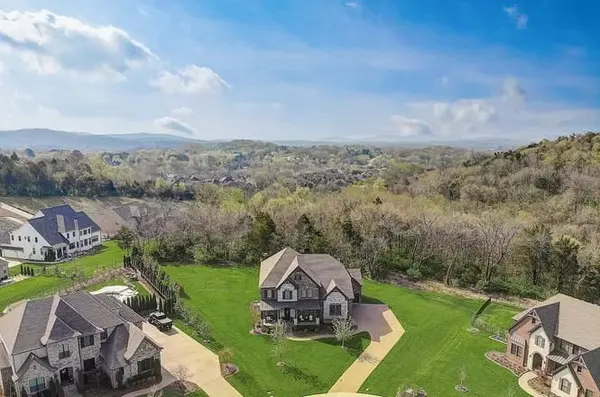
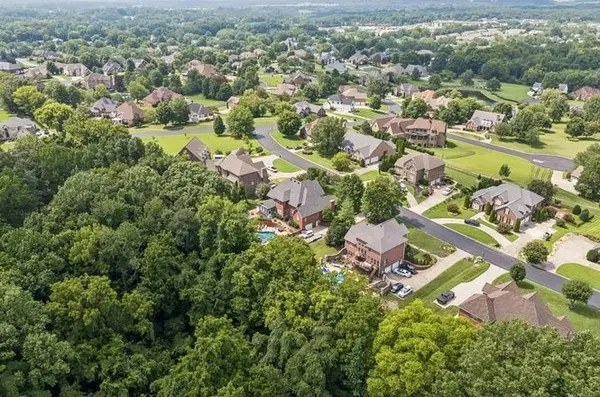
If spending time outdoors is part of your routine, access to parks, trails, and open green space should be on your list of considerations. Think about how easy it would actually be to use the trails, playgrounds, recreation areas, or other outdoor spaces around you.
>>Check out: Explore Nashville’s Neighborhoods One Beautiful Place at a Time
When scoping out a neighborhood, look for:
- Proximity to public parks and playgrounds that are well-maintained and easy to reach.
- Access to Nashville's greenway system, which connects many of the city's neighborhoods through miles of scenic trails.
- Dog parks, sports fields, and recreational facilities.
- Green space and tree coverage throughout the surrounding area.
“Nashville has so many pockets of interest and beauty,” explains Heather Hillhouse at House on a Hill Photography. “One of my personal favorites is Ravenwood Park in Hermitage. It sits at a higher elevation and the sunsets from the playground area at the top are some of my favorites. It also sits along Nashville’s beautiful greenway, and is a perfect escape in the middle of this urban area.”
2. Walkability and ease of getting around
Transportation can shape your routine just as much as the home itself. Some buyers want restaurants and errands within walking distance, while others care more about parking, highway access, or an easier drive to work.
Here's what to evaluate:
- Walkability tools like Walk Score can help get a quick snapshot of a neighborhood's pedestrian friendliness.
- Sidewalk infrastructure and street lighting.
- Bike lanes and multi-use paths that make car-free commuting a realistic option.
- Access to public transit, including WeGo bus routes and proximity to major corridors.
>>Discover: Unlock Hidden Gems in Nashville, TN: 10 Places to Visit in Nashville
3. Commute and access to work
If access to schools is important to your household, consider how close different neighborhoods are to the education options you’re interested in. School assignments can vary by address, so it’s helpful to research the specific schools serving a property before making a decision.
Things to look into:
- Which public schools serve a specific address.
- Distance and travel time to nearby schools.
- School transportation and bus routes.
- Access to private, charter, and magnet school options.
- Before-and after-school programs or other nearby educational resources.
4. Community spaces and local involvement
If being involved in your neighborhood matters to you, look at the kinds of events, organizations, and shared spaces available nearby. These can give you a better sense of how residents connect and what opportunities there are to get involved.
Things to look for:
- Neighborhood associations and local groups.
- Farmers markets, street festivals, and seasonal events.
- Community centers, parks, and shared gathering spaces.
- Volunteer opportunities and local organizations.
- Neighborhood newsletters, message boards, or social groups.
5. Local dining, shopping, and entertainment
The places you use regularly can have a big impact on how convenient a neighborhood feels day to day. When comparing areas, think about what you want close to home and how often you’d realistically use it.
Things to look for:
- Restaurants, coffee shops, and grocery stores nearby.
- Retail areas with everyday essentials.
- Live music venues, theaters, galleries, and other entertainment options.
- Farmers markets, pop-up events, and other local activities.
>>Read on: 13 Things Every New Nashville Resident Should Do
6. Housing costs and market conditions
Housing prices and market activity can vary from one Nashville neighborhood to another. Looking at recent local data can help you understand what homes are selling for, how quickly they’re moving, and what your budget may look like in different areas.
Things to compare:
- Recent home sale prices in the neighborhoods you’re considering.
- How long homes typically stay on the market.
- The number and types of homes currently available.
- New construction and development in the surrounding area.
- How current prices compare with your budget and housing needs.
>>Check out: Nashville’s Housing Market Data
7. Proximity to employment hubs
If you commute to work, where you live can have a big impact on your day-to-day routine. Before narrowing down neighborhoods, think about how long your commute would be and which roads or transit options you’d rely on most.
Consider:
- Drive time to your workplace during typical commute hours.
- Access to major roads and interstates.
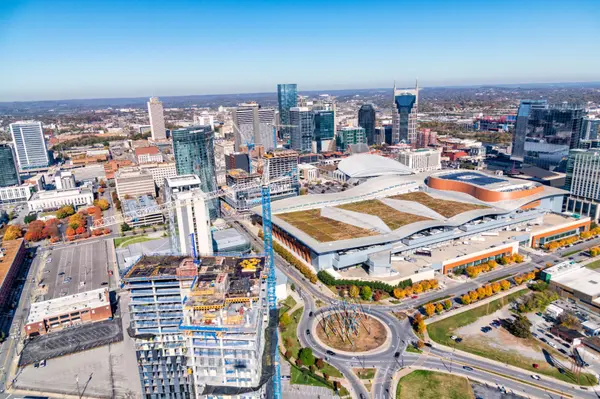
- Proximity to downtown, Midtown, Berry Hill, or other employment areas.
- Public transit options, if available.
- Reliable internet and nearby coworking spaces if you work remotely.
8. Neighborhood maintenance and city services
Beyond location and commute, it’s also worth looking at the everyday services available in a neighborhood. Utilities, street maintenance, and local services can all affect what it’s like to live there.
Things to look into:
- Utility and high-speed internet availability.
- Trash and recycling services.
- Road and sidewalk maintenance.
- Planned public works or infrastructure projects.
- Ongoing construction that could affect the surrounding area.
9. Neighborhood character and long-term vision
A neighborhood can change over time, so it’s worth looking at both what the area is like today and what may be planned for the future. Architecture, zoning, and upcoming development can all shape how an area looks and functions over time.
Consider:
- Housing styles and architectural character.
- Zoning and land-use plans.
- New residential or commercial development.
- Planned public projects or redevelopment.
- How future growth could affect traffic, amenities, or the overall feel of the area.
Finding the right Nashville neighborhood for you
Choosing where to live in Nashville starts with your budget, daily routine, and what you want nearby. Spend time in the neighborhoods you’re considering, test your commute, and visit the parks, shops, and other places you’d use regularly. Those details can help you decide which areas make sense for you.
As you narrow down your options, a local real estate agent can help you compare homes, understand market conditions, and focus your search on the things that matter most to you.
Where to live in Nashville: FAQs
How do I research a Nashville neighborhood before moving?
Start with online tools like Walk Score, GreatSchools, and the Metro Nashville crime map to gather data. From there, visit the neighborhood at different times of day, explore local coffee shops and parks, and connect with residents through community Facebook groups or Nextdoor to get an authentic feel for the area.
Are Nashville neighborhoods affordable?
Housing costs can vary quite a bit across Nashville depending on the neighborhood, home type, and location. Areas such as Antioch, Donelson, and Madison may offer different price points than other parts of the city, so it’s helpful to compare current listings and recent sales based on your budget.
Categories
Recent Posts